
Welcome to The Augustine Bioethics Network
An international community of volunteers seeking a deeper shared understanding of the dignity and vulnerability of every human person.
Resource libraryWho we are
We are an international network administered and overseen by a company limited by guarantee based in the United Kingdom. The network is supported by a committee of which Prof Neil Scolding is chair and Prof David Albert Jones is secretary, and by an advisory board which includes two theological advisors (Rev Dr John O’Connor OP and Sr Margaret Atkins). The network is endorsed and actively supported by the Catholic Medical Association UK who have an appointed representative on the advisory board (Dr Dominic Whitehouse) and a member on the Committee (Dr Mike Delany). Our patron is the great philosopher and theologian, Augustine of Hippo.
Read moreRecently added content

Answers to Several Questions from His Excellency, the Most Reverend José Negri, Bishop of Santo Amaro, Brazil, Regarding Participation in the Sacraments of Baptism and Matrimony by Transgender Persons and Homosexual Persons
Magisterial Documents
June 4, 2026
Description This document is a response of the Dicastery to the following questions: Can a transgender person be baptized?; Can a transgender person serve as a godparent?; Can a transgender person serve as a witness to a matrimony?; Can two homosexual persons be regarded as the parents of a child who is to be baptized,

‘Declaration Dignitas Infinita on Human Dignity’ (2 April 2024)
Magisterial Documents
June 4, 2026
Description It is possible to make a fourfold distinction of the concept of dignity: ontological dignity, moral dignity, social dignity, and existential dignity. The most important among these is the ontological dignity that belongs to the person as such simply because he or she exists and is willed, created, and loved by God.[7] Biblical Revelation
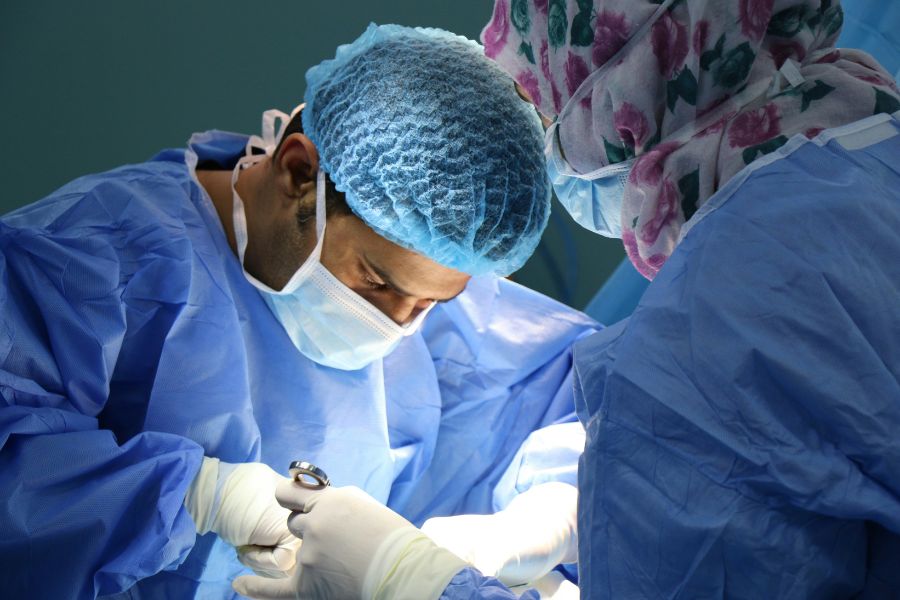
On the Ethics of Organ Transplantation: A Catholic Perspective. The report of a working party
Other Resources
June 3, 2026
This report is the work of an international group of clinicians, philosophers, and theologians convened by the Anscombe Bioethics Centre, Oxford. Most of the drafting was done by Prof David Albert Jones and Prof Nicholas Tonti-Filippini with further comments, suggestions, and corrections from other working group members. The aim of the report is to set