
Welcome to The Augustine Bioethics Network
An international community of volunteers seeking a deeper shared understanding of the dignity and vulnerability of every human person.
Resource libraryWho we are
We are an international network administered and overseen by a company limited by guarantee based in the United Kingdom. The network is supported by a committee of which Prof Neil Scolding is chair and Prof David Albert Jones is secretary, and by an advisory board which includes two theological advisors (Rev Dr John O’Connor OP and Sr Margaret Atkins). The network is endorsed and actively supported by the Catholic Medical Association UK who have an appointed representative on the advisory board (Dr Dominic Whitehouse) and a member on the Committee (Dr Mike Delany). Our patron is the great philosopher and theologian, Augustine of Hippo.
Read moreLatest news


Recently added content
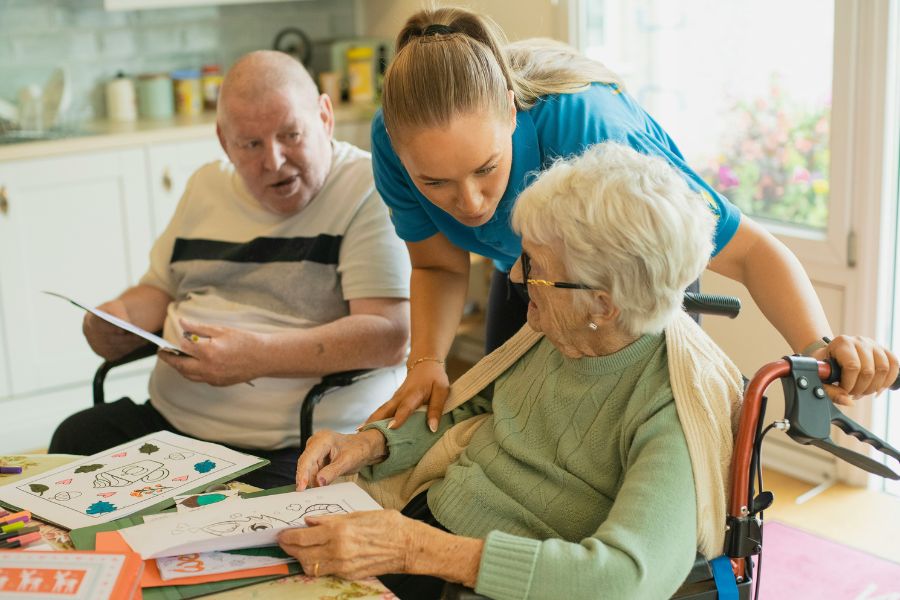
Safe Spaces for the Dying
ABN Papers
August 5, 2026
Protecting care homes and hospices from forced participation in assisted suicide What are conscience clauses? Conscience clauses are explicit provisions in law that create exemptions from legal or contractual obligations that would otherwise be imposed upon citizens or bodies. For example, in England from the mid-18th to the mid-20th century, the state compelled citizens to

Euthanasia Case Studies from Belgium: Concerns About Legislation and Hope for Palliative Care
ABN Papers
June 23, 2026
Summary In examining the ethics of euthanasia and assisted suicide (EAS), it is common to focus on presenting arguments which either support or oppose the legalisation of the practice. As EAS is now legal in many countries (and in some cases, has been for many years) however, there is emerging evidence of the effect of

Twenty questions on assisted dying and suicide prevention
ABN Papers
June 23, 2026
Twenty questions on assisted dying and suicide prevention David Albert Jones[i] [i] Professor of Bioethics, St Mary’s University, Twickenham and Research Fellow at Blackfriars Hall, Oxford University, but writing here in a personal capacity. This paper has not been through a formal peer review process, though it has benefited from comments from colleagues. It is