
Topic: Euthanasia and Assisted Suicide
Resources in this topic

Twenty questions on assisted dying and suicide prevention
ABN Papers
June 23, 2026
Twenty questions on assisted dying and suicide prevention David Albert Jones[i] [i] Professor of Bioethics, St Mary’s University, Twickenham and Research Fellow at Blackfriars Hall, Oxford University, but writing here in a personal capacity. This paper has not been through a formal peer review process, though it has benefited from comments from colleagues. It is

Assisting Suicide: An Ever More Dangerous Bill
Other Resources
September 5, 2025
This paper published by Politeia in September 2025 examines the initial progress of the Terminally Ill Adults (End of Life) Bill through the House of Commons from September 2024 to June 2025 and the shape of the Bill as it entered the House of Lords. It shows how the scrutiny process in the Commons was

Safe Spaces for the Dying
ABN Papers
August 5, 2026
Protecting care homes and hospices from forced participation in assisted suicide What are conscience clauses? Conscience clauses are explicit provisions in law that create exemptions from legal or contractual obligations that would otherwise be imposed upon citizens or bodies. For example, in England from the mid-18th to the mid-20th century, the state compelled citizens to

The Principle of Autonomy – Does it Support the Legalisation of Euthanasia and Assisted Suicide?
ABN Papers
February 5, 2026
Summary The principle of autonomy is often invoked in support of the legalisation of euthanasia and assisted suicide. How one defines ‘autonomy’, however, is a matter of dispute. A number of important considerations arise as a result of this dispute, and it is important to ensure that ‘autonomy’ is defined in a way that works

Bioethics in Brief: Euthanasia and Assisted Suicide
Other Resources
April 16, 2022
What is the difference between euthanasia and assisted suicide? Euthanasia and assisted suicide both refer to the intentional ending of a patient’s life, typically at their request, where death is thought to be of benefit to the patient. The difference lies in who carries out the life-ending act. In the case of euthanasia, the lethal
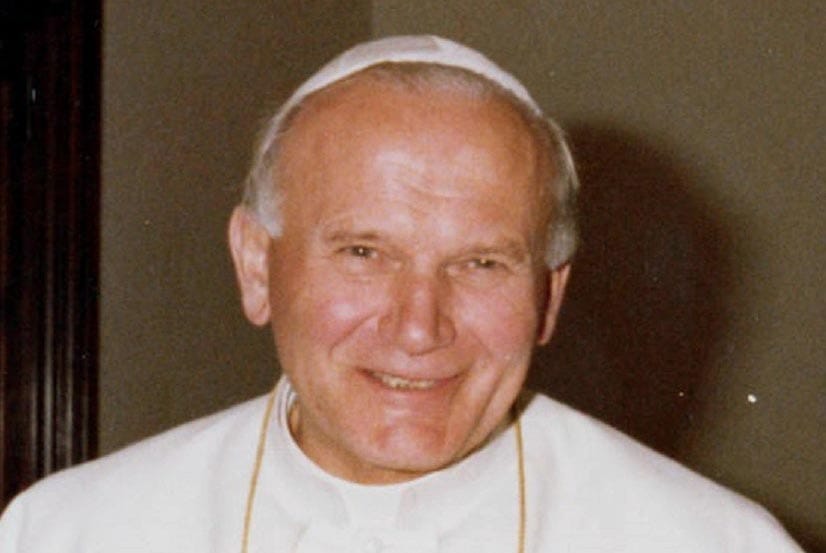
Evangelium Vitae: On the Value and Inviolability of Human Life
Magisterial Documents
March 25, 1995
Description This Encyclical Letter of Pope John Paul II is the fruit of the cooperation of the Episcopate of every country of the world, and was intended as a precise and vigorous reaffirmation of the value of human life and its inviolability in the face of new threats to human life. It is structured in

Dignity in Living: Addressing Euthanasia by Affirming Patient Personhood in Dementia
ABN Papers
May 29, 2026
Organisations like the Alzheimer’s Society have made it their mission to transform the landscape of dementia forever so that those affected by that condition are supported, accepted and able to live in their community without fear or prejudice. There has been a concerted effort to change perceptions about dementia and a significant part of this

Counterfeit Consensus: The Ambivalence of Public Opinion on Assisted Suicide
ABN Papers
May 30, 2026
Summary Evidence from bi-monthly tracker surveys and from the British Social Attitudes survey shows that public opinion on ‘assisted suicide’ has remained largely stable over recent years. There has been no groundswell of opinion in favour. If anything, there has been a decline in those who ‘strongly support’ a change in the law, down from

Samaritanus Bonus: on the care of persons in the critical and terminal phases of life
Magisterial Documents
July 14, 2020
Description The Good Samaritan who aids an injured man (Luke 10:30-37) signifies Jesus Christ who encounters human beings in need of salvation and cares for our wounds and suffering. This letter takes inspiration from the Good Samaritan to enlighten pastors and the faithful regarding their questions and uncertainties about medical care, and their spiritual and
Declaration on Euthanasia
Magisterial Documents
May 5, 1980
Description In response to questions asked by ‘a number of Episcopal Conferences’, this document sets out the Church’s teaching on euthanasia. Note the date which is prior to moves in the Netherlands for the legal toleration of euthanasia. It is in four sections: I. Human life is the basis of all human goods and all